

Birding: The Winter Migration
Since 2012 I spent a lot of time birding. It was the fall semester of 2012 (senior year) when I began to see birds in a different light. My first bird field guide I would ever pick up was from the James Martin High School Library. I used it lightly but I did use it on drives to the lake and even leaving for the day. I remember one day I was on my way out and I saw a gull over head. One of my fellow classmates called out “Why is there a Gull out here?” Funny thing; I was on that section of my book. Some like the Ring-billed Gull do come up during this time of year. It is now winter again and from that time I have been birding a lot to keep tabs on the migration. It is December 23rd as I write this and just a few weeks ago on December 12 I graduated with my bachelors. For a “treat myself” I bought a new pair of Vortex binoculars. A couple of days ago one of my co-workers got me some electric handwarmers. Some of my best birding is done on gray days with cold wind. Always be prepared for all of your adventures. Birding is fun and it is a good challenge. It can be as easy as going out to your backyard and learning about the birds in your yard; it can also be going out to see what you can see in the extended backyard. The world is full of wonders and part of that story is all about chasing the migration…
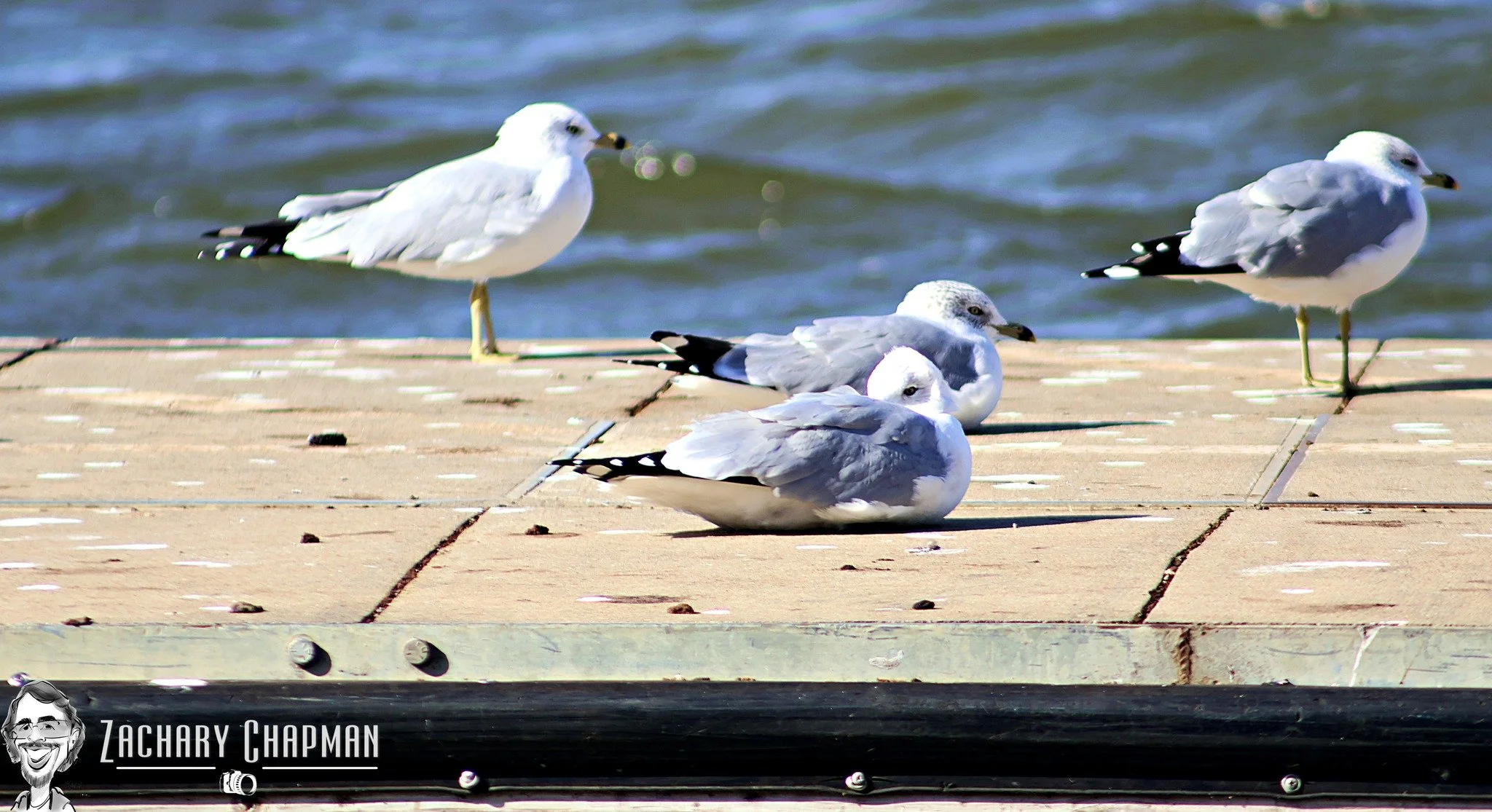
Ring-billed Gulls on Fishing Pier, Lake Arlington, Winter 2025
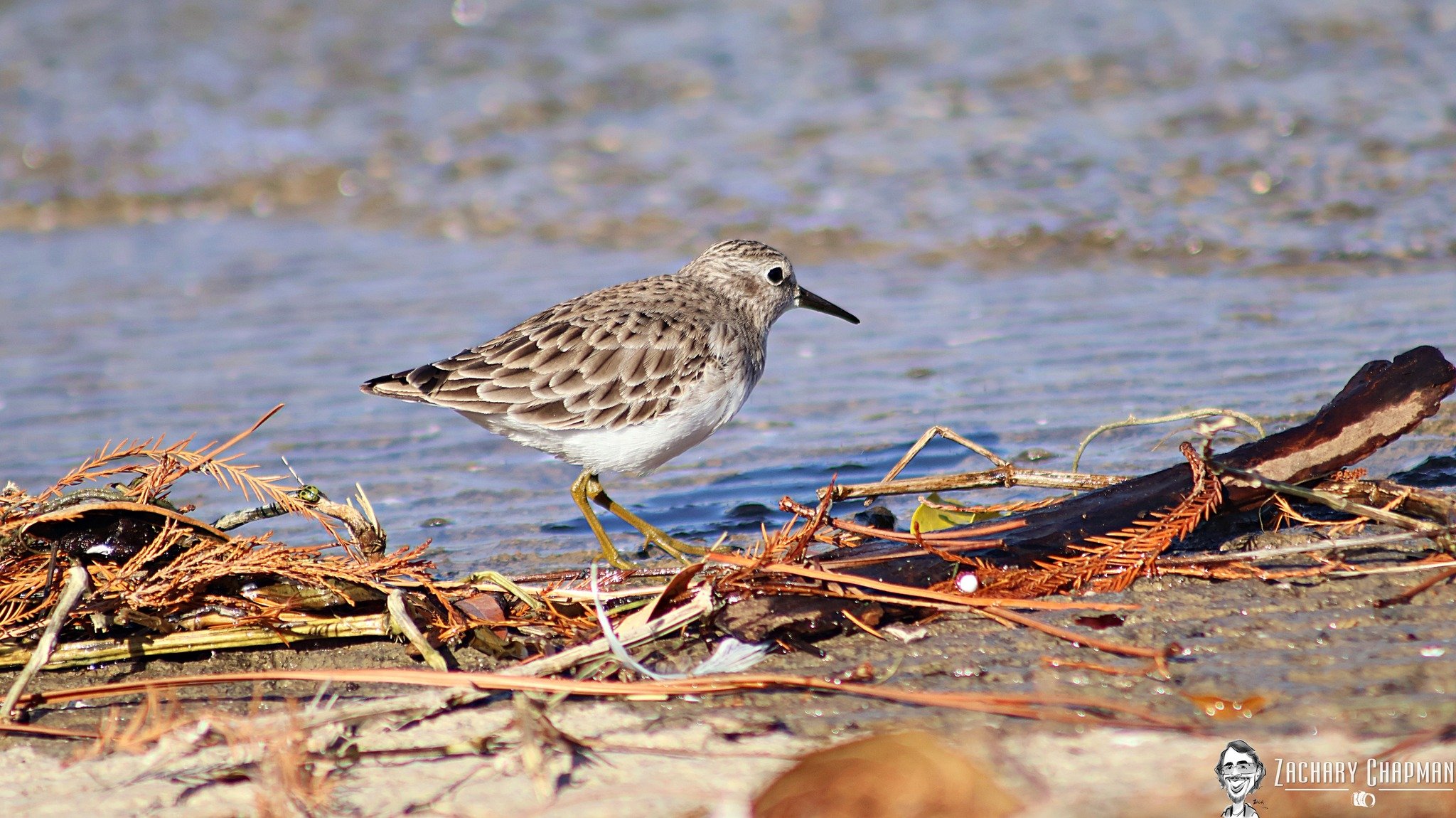
Least Sandpiper, Lake Arlington, Winter 2025
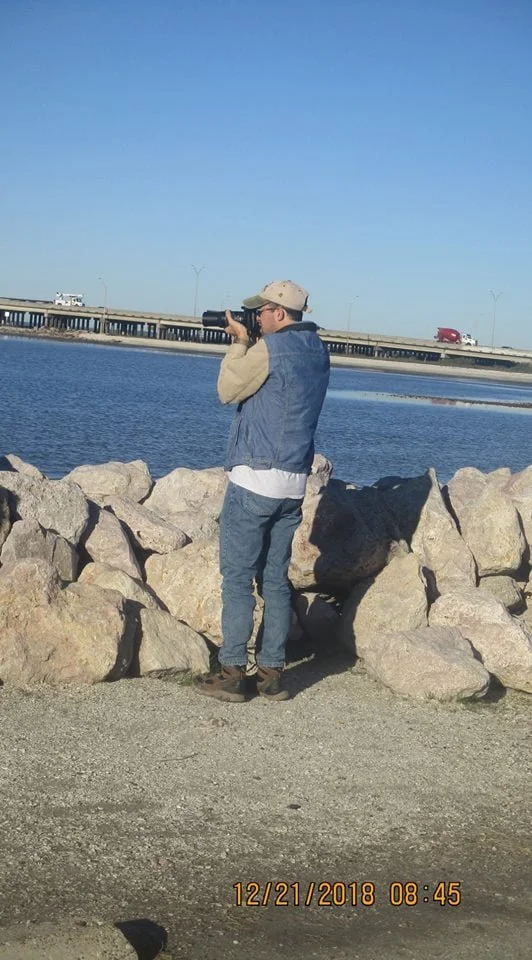
Texas Coastal Trip, 2018, Corpus Christi TX
From Lake Arlington to Corpus Christi and all along the Texas coastline I have been birding like mad. Some of my favorite stories are from the migration. These trips are vital; especially in times of change where feeding and nesting sites are being decimated. During the spring and fall I do a lot of monitoring of window strikes to see which species are being effected every year. I also do my best in photographing each species I see and post them to iNaturalist and other citizen science apps. Instagram and Facebook have been great places for me to show my images and do narratives on all of my photographs. Birds like the Least Sandpiper are sadly near threatened which is something I didn’t expect. When birds come down here to Texas they are either stopping or going further to South America. However, during this time it is vital to understand that they have moved on thousands of miles to get to these feeding areas. It is important to not chase them so they do not exert too much energy where they cannot function properly. This is a vulnerable time for birds. Some birds going on their migration path in their first year are in danger of hitting windows. Older birds know how to maneuver around old and new buildings. However, the first year birds have a higher mortality. I for one find birding as a call to advocation and a time to relax.
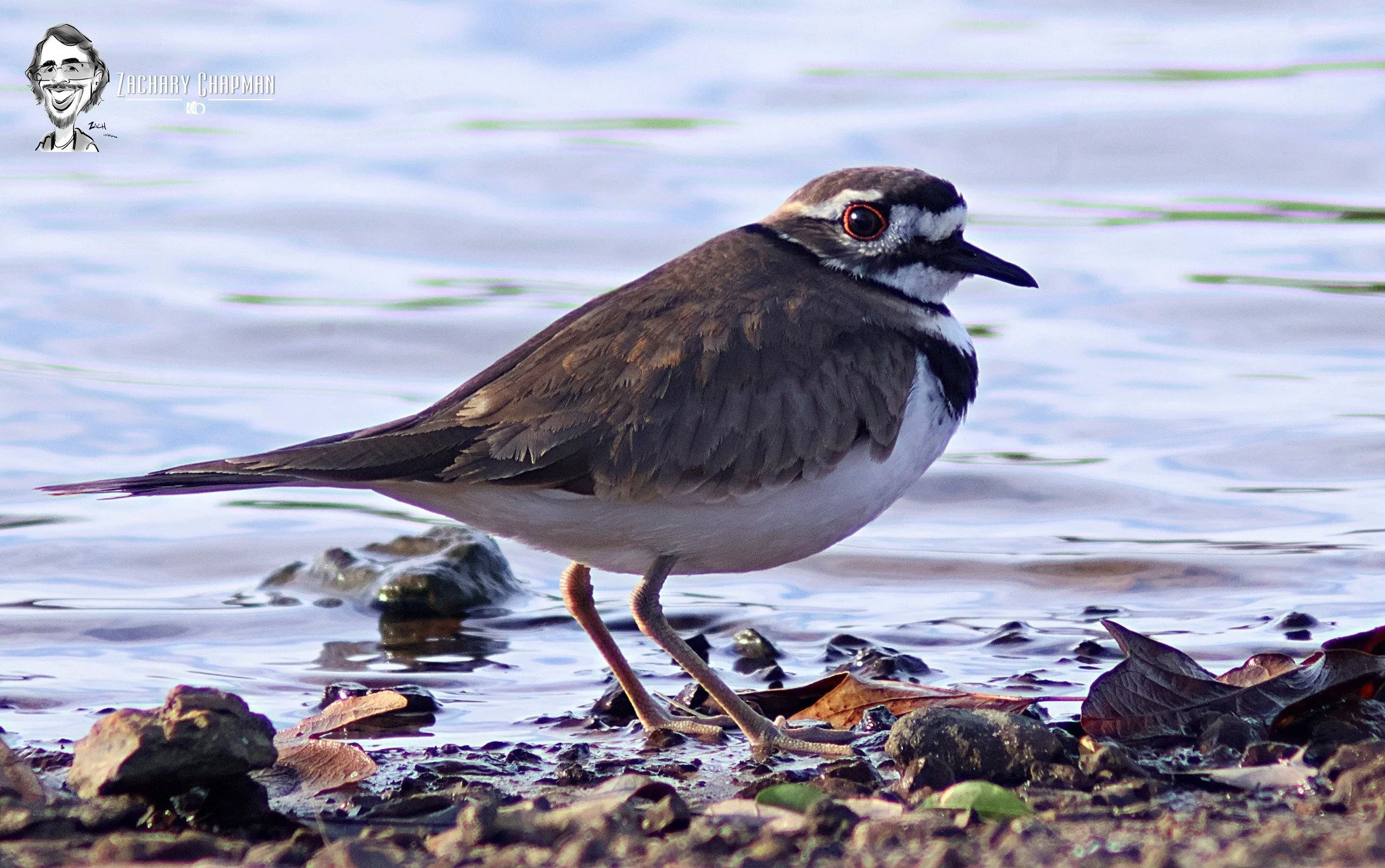
Killdeer, Lake Arlington, TX, Circa 2024
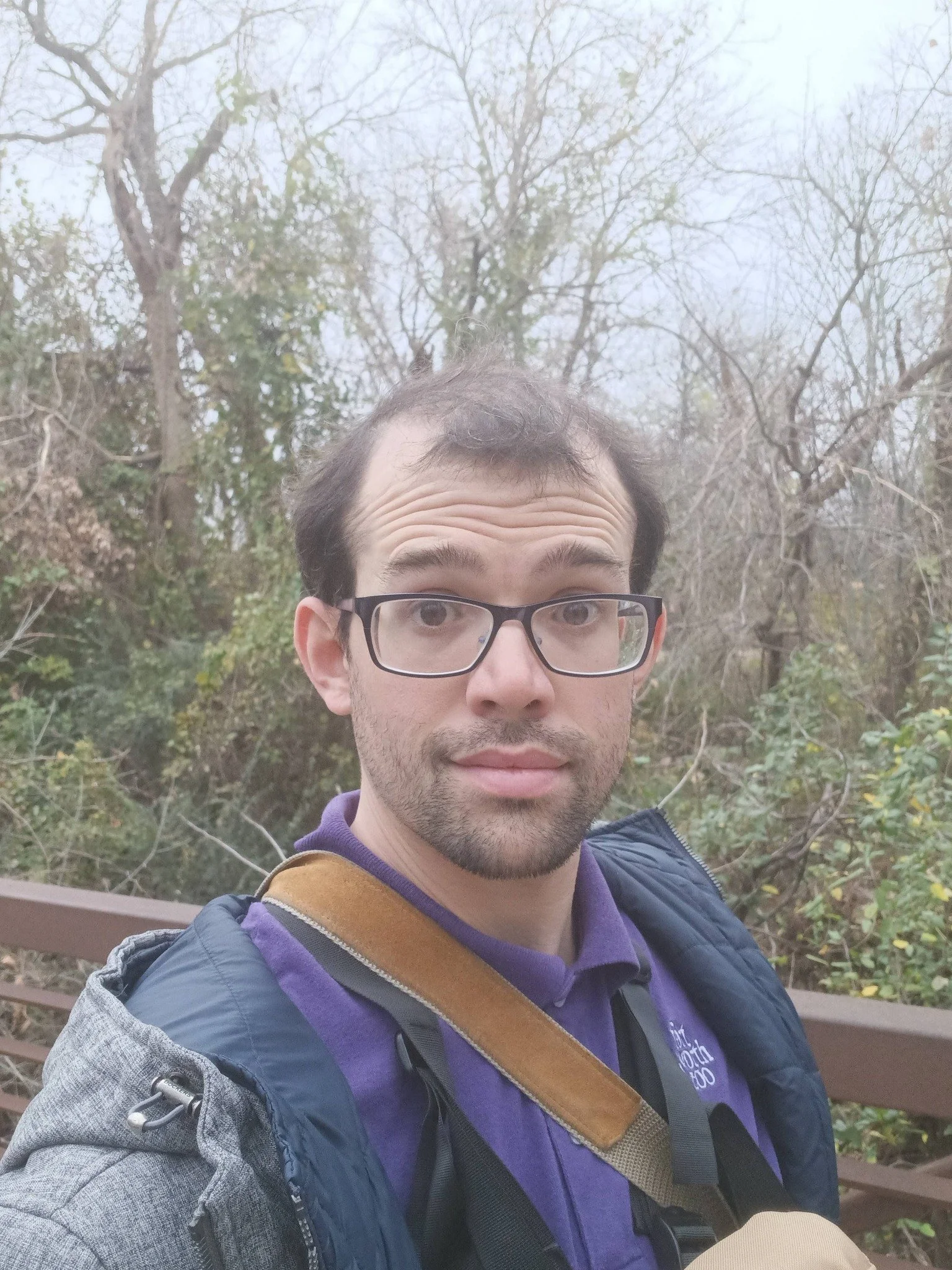
Been taking morning walks around the Fort Worth Zoo around the bridge close to the main entry and the Trinity River overlook near the small mini railway.
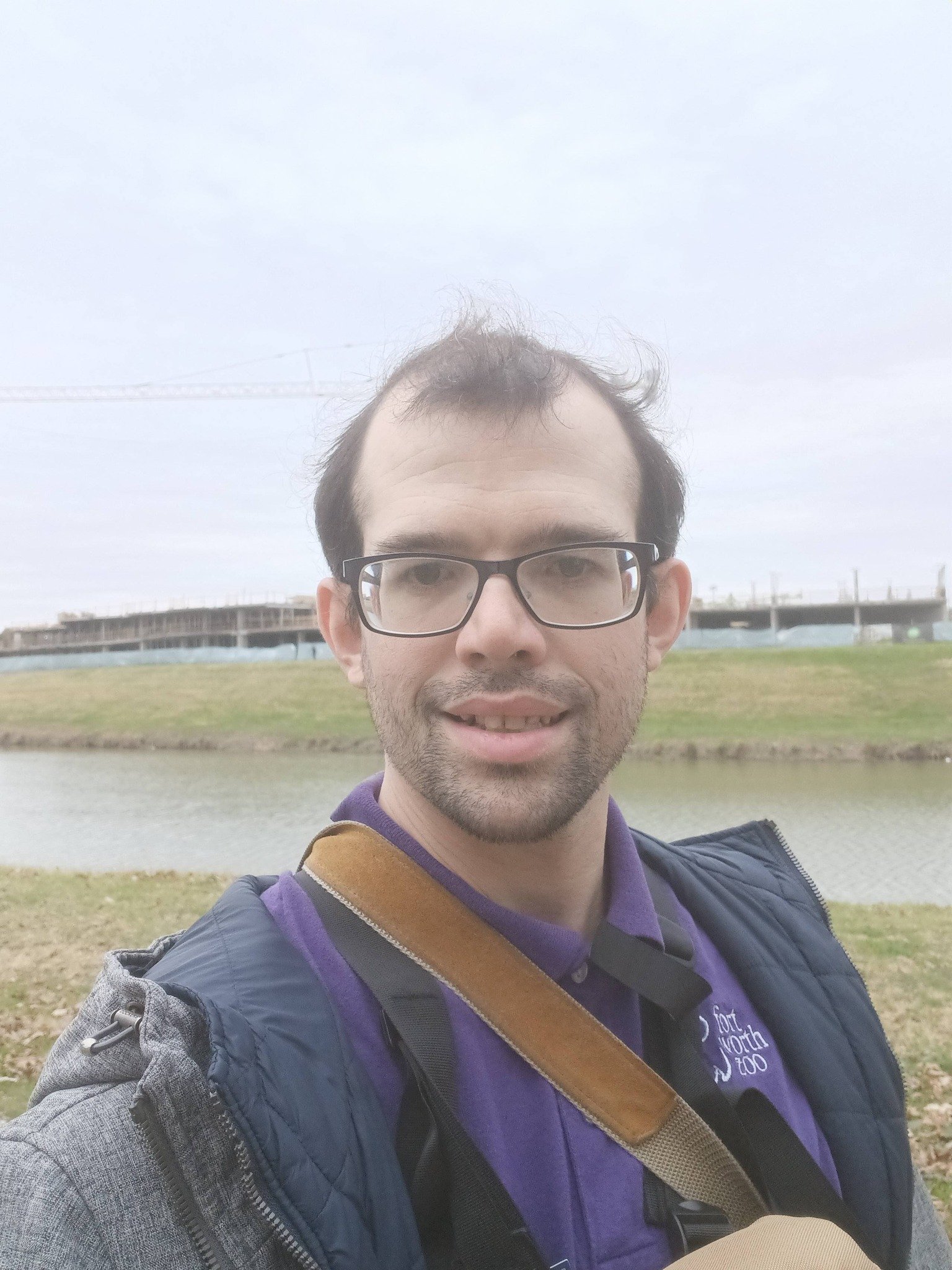
I use this time to go to all sorts of places. I have mentioned that the coast has been a big place to visit; various lakes too are an interest to me. However, now I am looking closer at the River. I started work at the Fort Worth Zoo on July 2nd of this year. It’s my first winter at the zoo and I have been using each morning to go out and explore the areas near the model railway. We have a good view of the River and a nice walking trail. I have been keeping tabs on the birds that call the zoo home that are not on exhibit. These urban systems are vital places to roost and feed too. Many herons, ducks, geese, and perching birds or Passerines call this zoo home. The open areas are great places for birds to stop over. It’s not uncommon to walk toward the Elephant Springs area and see Mallards swimming about the elephant pond. Herons often get into the Hippo enclosure too. Urban environments are one of the areas I specialize in. They are great places to understand nature in places of extreme changes; these places have unique microclimates and never stay constant. I have been seeing a lot of birds lately; nothing too different. On my life list so far I have 230 species on my life list.
I didn’t start birding seriously until 2015 but now it’s even more serious. The bulk of my list is from the spring and winter migration. A lot of birds I get do not migrate but do show up more in either season. Before each of my shifts I have been coming to this part of the river to see what birds call the Fort Worth Zoo home. I have explored river systems for insects and various fish. However, when it comes to birds I never really paid much attention to certain spots. However, during the spring two years ago at River Legacy which is a place I know very well; along the creek my the camp group that I volunteer with was out and Ph.D. Ellen Ravkind whom I work with every summer saw a bird which turned out to be a Louisiana Waterthrush. That was a species we hadn’t seen but it got me thinking. Now that I am fully graduated I will be able to do more photographic study of this place.
I have seen Ring-billed gulls, Ring-billed Ducks, Mallards, Double-Crested Cormorants, Northern Cardinals, American Crows, Blue Jays, Yellow-rumped Warblers. However, this is just the tip of the iceberg. I have seen a lot of birds here already but the list is still growing. I have been wanting to see what birds are most common and what uses the river as a fly way and which birds use this stretch of river the most. I am all about testing the structure and complexity of all things in the wild. I do not just take photographs but I use them to understand what truly goes on in nature and how it’s all connected. The migration is a big study I have been doing and its all about how to help these species each year; that is why I am such a dedicated citizen scientist. Each year brings in new trends and some birds are in danger due to all the drastic changes that are occurring. My mission has always been to educate the public on the species and how to better understand their ways. Migrations are a favorite time for me; seeing birds in mass streaking the sky.
PLEASE BE ADVISED THIS VIDEO SHOWS ACTUAL IMAGES OF DEAD BIRDS!
This is a Cinematic Production documentary I did which chronicles the plight of birds during their migrations. especially in the winter time. I used old and new footage for this video which you can see on my YouTube channel as well. This was not the best project due to the fact that it was a freshman project. However, it is vital to understand how the migration moves and the wonders and dangers these creatures face. Ben helped me do a lot of the writing on my original project and I used that to form the video here. It went from one form to another. The production was a heartache to be sure. However, I was able to beat the deadline. The voice you hear is my own just so you can put a voice to the face.
As you see in the film if there is imbalance in the ecosystem then things become one sided. Without the migration seeds cannot be dispersed and creatures that revolve around the birds couldn’t survive. Birds are a huge part of the health and wealth of our ecosystem; they are an important aspect of our planet and to have them is a joy and a need. Birds are more than what we think. They are not just mystical beings that enchant us; they do a lot of good for our wildlands. This is why I love to explore the migration each year; to tell the story of the migrations and to see what years do the best. Being a naturalist does come with a great number of challenges; yet, it’s not a one and done. You have to apply yourself to the full understanding of the world around. It takes grit and determination to really put yourself into the elements and always be on the lookout for all things great and small that come your way. A new year is on the way and I am going to be challenge myself more to explore and understand the world around me and this is going to be watching the river and what life it brings along the seasons of migration.
In the last couple of weeks I have been looking around for birds at the Fort Worth Zoo. I work there now and have been here since July 2nd 2025. I have been keeping a close eye on the species that call the zoo home. This has helped me gain knowledge of the species of this stretch of the Trinity River and her forests. The Zoo Creek is also one of the areas I am closely studying. These riparian zones are vital and add so much more value for birds. For one they are a water source and this helps birds clean themselves and to feed on the creatures that live in the water and along the rocks. This is also where species diversity doubles. Single biomes and environments have their charm and their purpose; yet, it is the true health and wealth of the environment when you have good ecotones, areas of micro-climate and micro-environment that help make an area richer. This is one reason why I am such a birder but also a naturalist in the grand scheme. These areas of ecological bounty are what all creatures need to thrive. Ephemeral ponds are great for a short time to help animals thrive. Yet, as true to the name; they do not last. These are temporary pools; during times of drought they will shrink and ultimately disappear until the next big flooding event. Birds and all creatures need food, water and shelter to survive. Yet, it is the health and wealth of the area that you must look deeper at. Is the water quality great for birds? Is there enough of the various trees they need? Are there too many invasive plants that need to be removed? Is there something else lacking that could be better? These are the questions I ask when I am out exploring.
